Star Magic Hat: A Circus Embroidery Design That Delivers Charm—Not Clutter
First Impressions: Whimsy With Intention
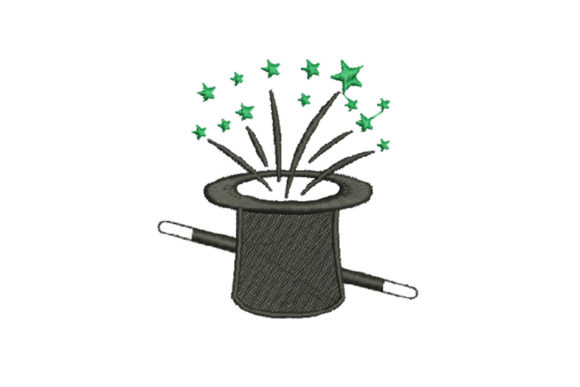
When I opened the Star Magic Hat embroidery file, I didn’t see just another circus motif—I saw a design with quiet confidence. It’s not overly busy, doesn’t lean into cartoonish exaggeration, and avoids the “cute overload” that can cheapen handmade appeal. The hat shape is clean and balanced, with subtle star accents placed to guide the eye—not distract it. There’s enough detail to feel special (a gentle curve on the brim, a soft satin-stitched band), but not so much that it risks stitching out poorly on lightweight fabric or in small hoops. It reads as joyful, not frantic—a rare win for themed embroidery.
A Real-World Test: Stitching It on a Linen Baby Apron
Last week, I used Star Magic Hat on a custom linen apron for a boutique baby gift set—intended for a newborn photo session with a vintage circus theme. I chose a 4-inch hoop, medium-weight cutaway stabilizer, and matte cotton thread in navy and ivory. The result? Crisp edges, no puckering, and a finished product that looked intentionally designed—not digitally dropped in. Parents commented on how “sweet but not saccharine” it felt. That’s the Star Magic Hat effect: it adds narrative without shouting. It works because it leaves room—for embroidery texture, for fabric character, for the wearer’s personality.
Where It Shines (and Where It Needs Thought)
Star Magic Hat excels in contexts where charm and clarity matter more than complexity:
- Custom apparel: It holds up beautifully on sweatshirt cuffs, pocket corners of toddler overalls, or the front chest panel of unisex tees—especially when paired with simple monograms or single-word phrases like “Dreamer” or “Brave.”
- Embroidered patch potential: With its contained shape and moderate stitch density, it translates cleanly to iron-on or sew-on patches—ideal for backpacks, denim jackets, or nursery wall hangings.
- Holiday and gift embroidery: Think Christmas stockings, Easter tote bags, or birthday pillow covers. Its warmth reads instantly, even at smaller scales.
- Etsy and small shop listings: As a digital embroidery file, it’s versatile enough to support multiple mockups—light and dark fabric backgrounds, flat lay and on-model shots—without needing heavy editing.
But let’s be real: not every surface welcomes magic equally. Avoid using Star Magic Hat on:
- Ultra-thin fabrics like silk charmeuse without extra backing—fine details (like the star points) may distort;
- Highly textured surfaces (e.g., bouclé knits or thick terry cloth) unless you test stitch density and stabilizer combo first;
- Curved cap fronts without re-hooping or digitizing adjustments—the brim curve can shift under tension;
- Dark garments with light thread unless you verify contrast; some satin-stitched areas lose definition if thread isn’t rich enough.
Design Integrity Meets Commercial Sense
As someone who reviews embroidery files for both personal projects and client work, I pay close attention to how a design affects perceived value. Star Magic Hat elevates a handmade product—not by being flashy, but by feeling *considered*. When stitched on a kitchen towel for a circus-themed bakery opening, it read as part of a cohesive brand story—not a last-minute add-on. That matters for Etsy sellers building trust, craft fair vendors differentiating their booth, or apparel decorators pitching boutique collaborations.
It also supports scalability. You can use it solo as a focal point (e.g., centered on a child’s baseball cap), or layer it thoughtfully—say, beside a tiny embroidered top hat or above a handwritten name in running stitch. Because it doesn’t dominate visually, it plays well with other elements without competing.
Practical Designer Notes Before You Stitch
Before adding Star Magic Hat to your next project—or listing it in your digital shop—take these steps:
- Test on scrap fabric first, especially if working with stretchy knits or delicate weaves. Watch how the brim edge settles and whether stars hold shape.
- Check thread color contrast across at least two fabric tones—light and dark. What reads clearly on cream linen may vanish on charcoal fleece.
- Review stitch density in the crown area. If it feels too dense for your machine or fabric, consider reducing fill stitch percentage slightly—not for speed, but for breathability and drape.
- Confirm hoop size compatibility. While it fits standard 4x4 hoops comfortably, double-check if your version includes larger formats—if you plan to scale for tote bag front panels or nursery wall art.
- Inspect small details like star points and inner band lines. Are they sharp? Do they stitch cleanly at reduced sizes? This tells you how flexible the file really is.
- Test in black-and-white mockups. If it still reads as joyful and legible without color, you’ve got strong design bones.
- Use proper stabilizer—cutaway for knits, tear-away for stable wovens. Skipping this step won’t ruin Star Magic Hat, but it will mute its personality.
- Verify licensing terms before selling finished items or bundling it into digital embroidery collections. Not all circus-themed files allow commercial use out of the box.
Final Thought: Magic That Stitches True
Star Magic Hat isn’t about spectacle—it’s about sincerity. It’s the kind of embroidery design that makes customers pause, smile, and say, “I want one of those.” Whether you’re stitching for a newborn’s onesie, branding a small-batch tea towel line, or building a portfolio of reliable circus embroidery assets, this design earns its place. It’s thoughtful, adaptable, and quietly professional—exactly what experienced designers reach for when “just right” matters more than “more is more.”