Compass: A Travel-Themed Embroidery Design That Actually Works
First Impressions: Clean, Confident, and Quietly Meaningful
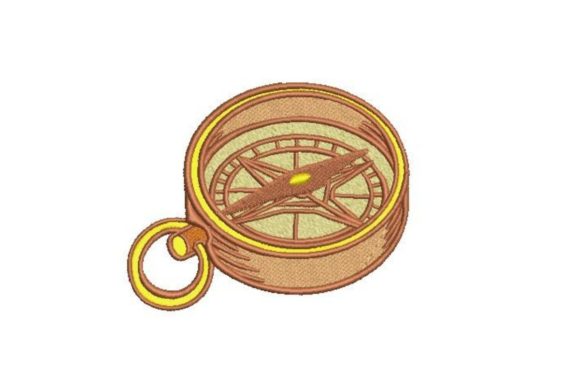
When I opened the Compass machine embroidery design, I didn’t see gimmicks—I saw intention. It’s not overly ornate, doesn’t rely on tiny script or fragile flourishes, and avoids that “clip-art” flatness some travel-themed designs fall into. The needlework feels grounded: balanced compass points, subtle directional lines, and just enough interior detail to read clearly at 3–4 inches wide. It leans into simplicity without sacrificing personality—like a well-worn brass compass tucked into a jacket pocket. That mood matters. It signals curiosity, calm confidence, and quiet adventure—not loud tourism. That makes Compass ideal for handmade products where authenticity matters more than flash.
A Real Project Test: Embroidering It on a Linen-Cotton Tote Bag
Last week, I stitched Compass onto a natural linen-cotton blend tote for a local boutique launch. No applique design—just clean fill stitch and satin stitch for the outer ring. The result? Crisp edges, no puckering, and zero thread breaks—even with moderate stitch density. Because the design avoids tight corners and ultra-fine linework, it handled the fabric’s slight texture without hesitation. Customers responded immediately: “It feels like something I’d carry every day,” one said. Not “cute” or “fun”—but *true*. That’s the difference between decoration and resonance. For Etsy sellers and small shop owners, that kind of emotional alignment is what turns a simple embroidered tote bag into a repeat-buyer moment.
Where Compass Shines—and Where It Needs Thought
Compass performs especially well on stable, medium-weight fabrics: sweatshirt embroidery (especially on cotton-blend fleece), tea towels, pillow covers, and structured aprons. Its open layout gives stabilizer room to do its job, and the absence of dense fill areas means less risk of stiffness on baby embroidery or nursery decor. I’ve also used it successfully as an embroidered patch—heat-applied or sewn-on—with consistent results across multiple batches.
But here’s where attention matters: on curved surfaces like caps or beanies, test hoop size and placement first. The outer ring can distort if stretched too tightly over a dome. On stretchy fabric (think lightweight knits or ribbed tees), use cutaway + tear-away stabilizer combo—not just tear-away alone. And on dark fabric? Confirm your thread colors offer enough contrast. A charcoal-gray thread on navy won’t read; switch to cream or warm taupe instead. Also avoid shrinking the design below ~2.5 inches—the north point loses definition, and fine interior lines blur in fill stitch.
What This Means for Your Craft Business
As a designer who reviews embroidery file assets for commercial use, I look beyond prettiness. Does it scale? Does it translate across product types? Does it support brand consistency? Compass does all three. Its visual clarity holds up in printable mockups for Etsy listings, and its theme fits seamlessly into broader collections—think travel journals, hiking gear, or minimalist home goods. For holiday embroidery or wedding gifts (a custom compass on a linen handkerchief, for example), it reads as thoughtful, not generic. That builds customer trust. When buyers see a finished product with Compass stitched cleanly and intentionally, they don’t just see embroidery—they see care. That perception lifts perceived value, supports higher pricing, and reinforces professionalism.
Practical Designer Notes You’ll Want Before Stitching
Before adding Compass to your next embroidery project—or listing it as part of a digital embroidery bundle—run through these checks:
- Test on scrap fabric first, especially if using textured or blended materials (e.g., terry cloth towels or slubbed linen).
- Review stitch density in your editing software—if it’s unusually high, consider lightening fill areas slightly for breathable fabrics like baby onesies.
- Confirm hoop size compatibility. While Compass isn’t oversized, verify it fits your most-used hoops without re-hooping mid-stitch.
- Inspect small details at actual stitch-out size—not just on screen. Zoom in on the center crosshair and cardinal point tips.
- Try black-and-white mockups to assess contrast before choosing final thread colors.
- Compare performance on light vs. dark fabric backgrounds—some shades behave differently under satin stitch sheen.
- Use proper stabilizer: medium-weight cutaway for knits, tear-away for stable wovens, and fusible + tear-away for lightweight silks or rayons.
- Check licensing terms before selling finished items or bundling the digital embroidery file in craft business kits—this applies whether you’re an Etsy seller, apparel decorator, or digital product seller.
Final Thought: Not Just a Vacation Design—A Design That Travels Well
There’s a quiet strength in Compass. It doesn’t shout “vacation!”—it invites reflection. That makes it unusually versatile: equally at home on a rugged backpack, a delicate baby onesie, or a boutique kitchen towel. It’s not a trend-chasing embroidery file—it’s a design asset with staying power. For creative entrepreneurs building a recognizable style, Compass works as both a standalone statement and a subtle thread in a larger visual story. Whether you’re stitching personalized gifts, launching a small shop product, or curating embroidery project kits, this is one machine embroidery design that earns its place—not because it’s flashy, but because it’s reliable, resonant, and ready for real use.