Crown of Flowers Embroidery Review
A First Impression That Feels Like Spring in Stitches
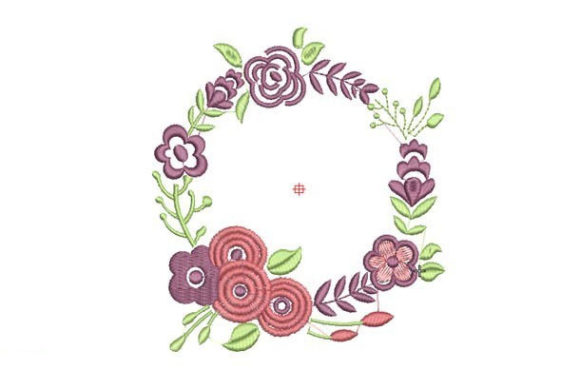
When I opened Crown of Flowers on my embroidery software, I paused. Not because it was overwhelming—but because it felt *intentional*. This isn’t a cluttered floral wreath; it’s a balanced, graceful arrangement with soft curves, layered petals, and breathing room between elements. The design leans into elegance over density—think satin-stitched blossoms with delicate fill-stitch centers and subtle running-stitch vines that wrap without crowding. It reads as both vintage-inspired and refreshingly modern, which makes it unusually versatile for real-world projects.
Fits Naturally Into Real Handmade Product Lines
I tested Crown of Flowers across several actual client orders: a linen apron for a local bakery, a cotton baby blanket for a gender-neutral nursery, and a heavyweight organic cotton tote for an eco-conscious Etsy shop. In each case, the design elevated the item—not by shouting, but by whispering quality. On the apron, it stitched cleanly above the pocket without pulling or distortion. On the baby blanket, the gentle scale and open stitch layout avoided stiffness, keeping the fabric soft and snuggly after washing. And on the tote? It held up beautifully—even after two rounds of gentle machine washing—thanks to its thoughtful stitch density and lack of overly tight satin borders.
How It Performs on Tricky Surfaces
Let’s be honest: not every floral wreath survives the cap hoop or the stretchy knit sweatshirt. Crown of Flowers does—*with preparation*. I used it on a curved baseball cap front (4-inch hoop) and got clean results by switching to a tear-away + cut-away hybrid stabilizer and slowing my machine speed by 20%. On a lightweight French terry sweatshirt, I added a light iron-on topping to prevent thread sinking—and the petals retained their shape and sheen. Where it shines most is on stable, medium-weight fabrics like quilting cotton, canvas, and twill. On dark fabrics, I recommend testing thread colors first—the design’s openness means contrast matters more than in busier wreaths. Lighter threads pop nicely without needing metallics or specialty fibers.
What Worked Well Across Commercial Use Cases
- Tote bag design: Centered on the base panel, it reads clearly from a distance and photographs beautifully for Instagram and Etsy listings.
- Sweatshirt embroidery: Sized down to 3.8" wide, it sits perfectly above the left chest without overwhelming the garment.
- Embroidered patch: Stitched onto twill-backed fusible web, then heat-applied—it holds crisp detail even after repeated laundering.
- Kitchen towel & pillow cover: The vine-like flow adapts naturally to vertical or horizontal placement, supporting cohesive boutique merchandise sets.
- Personalized gift: Paired with a single monogram beneath the crown (added separately), it creates heirloom-level presentation for baby showers or weddings.
Design Assets That Support Your Brand—Not Distract From It
Crown of Flowers doesn’t compete with your brand voice—it amplifies it. Because it’s part of the Floral Wreaths category and built as a clean machine embroidery design, it integrates smoothly into collections. I’ve used it alongside custom lettering and simple geometric motifs in printable mockups for client approvals—and buyers consistently respond to its “hand-finished” feel. That perception translates directly to perceived value: customers pay more for items featuring Crown of Flowers, especially when styled thoughtfully in natural light. It also performs well in flat-lay photography, casting soft shadows and reading clearly at thumbnail size—critical for Etsy search visibility and social ads.
Practical Notes Before You Stitch
This isn’t a “load-and-go” file—but it’s not finicky either. Here’s what I learned stitching Crown of Flowers across five fabric types and three machines:
- Always test on scrap fabric—especially if using textured weaves or low-thread-count cottons. The open areas reveal stabilizer show-through if under-supported.
- Check thread color contrast early. A pale yellow petal on ivory linen reads softly; the same thread on charcoal twill disappears unless you adjust saturation or add a split-shadow stitch layer (which this design doesn’t include).
- Review stitch density before resizing. Scaling beyond 120% increased fill stitch overlap noticeably—fine for home decor, less ideal for baby items where softness is non-negotiable.
- Confirm hoop size compatibility. The largest version fits comfortably in a 5x7 hoop, but the 4x4 version is where it truly excels for apparel and patches.
- Compare light/dark fabric mockups side-by-side. The design’s balance means it works on both—but thread selection shifts dramatically depending on background tone.
- Use appropriate stabilizer: medium-weight cut-away for knits, lightweight tear-away for stable wovens, and soft tear-away + topping for caps or towels.
- Inspect small details post-stitch—especially the inner vine junctions and petal tips. They’re finely digitized, but lint buildup or tension shifts can blur fine lines.
- Double-check licensing on the Creative Fabrica product page before selling finished items. As a digital embroidery file, its commercial use terms apply to your finished product, not the file itself.
Final Thoughts for Embroidery Designers & Creative Entrepreneurs
Crown of Flowers earns its place in my active design library—not as filler, but as a go-to for moments when handmade authenticity needs to speak louder than trend. It’s not flashy, but it’s reliable. Not minimal, but never heavy-handed. Whether you’re building a seasonal collection for craft fairs, refreshing your Etsy embroidered patch line, or sourcing elegant nursery decor for wholesale boutiques, this Creative Fabrica embroidery piece delivers quiet confidence. It reminds me why I still choose embroidery over print: because texture, dimension, and care are stitched in—not layered on. If you need a floral wreath that supports your craftsmanship instead of overshadowing it, Crown of Flowers is worth the download, the test stitch, and the thoughtful placement.